A Man Asked Me How His Mother Got So Sick With A CO Alarm Right There On The Wall. The Hard Part: It Never Made A Sound, And It Wasn’t Broken.
“For months they watched her fade — headaches, exhaustion, fog, repeating herself — and everyone, including her doctor, landed on the same answer. ‘She’s getting older.’”


The Slow Calls Are The Ones That Taught Me This
I’ve been a firefighter for fifteen years. The dramatic calls aren’t the ones that taught me this.
The slow ones did — the kind that builds over weeks, quiet, and hides inside the one explanation nobody ever questions.
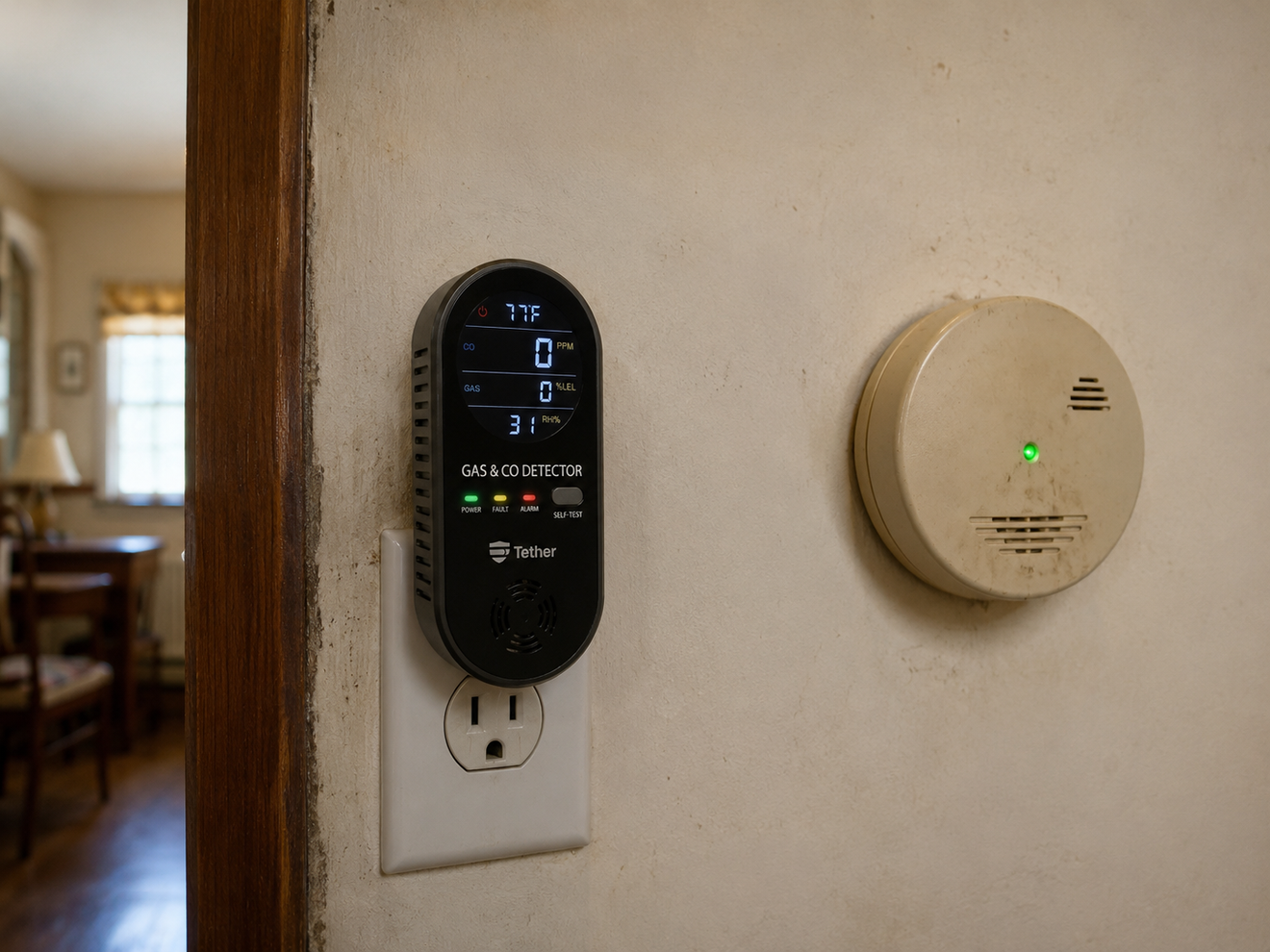
A man asked me how his mother got so sick with a carbon monoxide alarm right there on the wall. The alarm never made a sound. And here’s the part that haunted him: it wasn’t broken.
For Months, The Answer Everyone Reached For Was “She’s Just Getting Older”
His mother is 79, lives alone in an older house. For months she’d been fading.
Headaches she’d never had before. So tired she was sleeping half the afternoon. Foggy. Repeating herself on the phone. Everyone landed on the same answer, because it’s the reasonable one. “She’s getting older.” Her own doctor more or less agreed.
He told me he’d sit with her on visits thinking he was watching his mother slip away from age — and grieving it a little, quietly, the way you do.
The carbon monoxide alarm in the hallway glowed green through every bit of it. Never a peep.
If you’ve watched a parent slow down and chalked the tiredness, the headaches, the fog up to the years — read the next part carefully. Not because it’s your mother. But because of what I learned standing in that hallway with my meter.
At 30 Parts Per Million, The Symptoms Are The Exact Things You’d Call Age
I pulled out the meter I carry — the kind with a live number on the screen.
“At 30 parts per million — a low, steady level, the kind an old furnace can throw all winter — a person gets headaches, gets tired, gets foggy. The exact things you’ve been calling age. And the alarm on her wall? Silent. By design. At 50, still silent. A low, steady level can sit in a house for weeks, under that threshold, never tripping a thing.”
He stared at the number on my meter. “So all that time — the tiredness, the headaches — it could’ve been the air? And the alarm just… let it happen?”
There it is. The question, every time. Why didn’t it go off?
It Did Exactly What It Was Built To Do — Ignore The Slow Kind
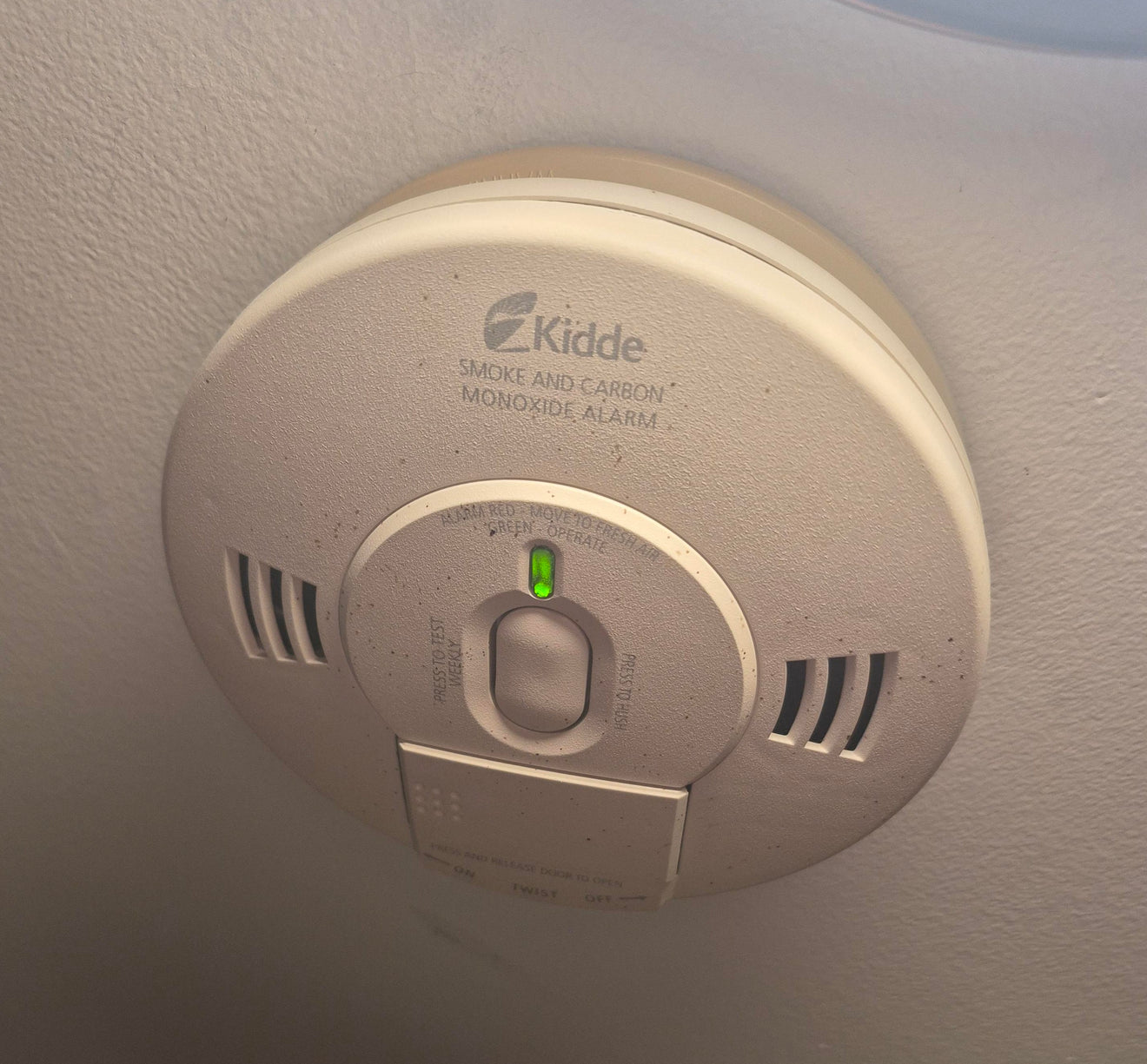
“The alarm did exactly what it’s built to do. It waits for a big spike; it ignores the slow, low stuff on purpose, so it doesn’t go off over nothing. The trouble is the slow, low stuff is exactly what looks like aging. It working and her being safe were two different things.”
And I watched him start to blame himself for not catching it. So I stopped him.
You did what a loving son does. You showed up. You worried. You took her to the doctor. When an older person is tired and achy and foggy, age is the reasonable answer — it’s the answer the doctor reached for too. Nobody goes hunting for an invisible gas when the explanation in front of them already makes sense.
That’s not a failure of love. It’s a disguise.
They Have A Name For It: The Great Imitator
That conversation sent me reading, because I wanted to know how often this happens.
Turns out there’s a nickname for it among people who deal with it. They call carbon monoxide “the Great Imitator,” because the early symptoms are a dead ringer for the flu, for exhaustion, for getting old.
I found accounts of it. A woman who had daily headaches for weeks — “right between the eyes,” she said, atrocious by midday — blamed on everything but the air, until a detector finally caught it and oxygen treatment fixed what months of guessing hadn’t. A family who’d been waking up with headaches and chalking it up to a rough winter, until they learned what they’d really been breathing.
It’s more common than I ever knew. And every one of those stories has the same quiet cause: a low level, under the threshold, that everyone explained away as something ordinary.
Nobody Who Measures For A Living Is Fooled By The Slow Kind
I asked an ER nurse I hand patients off to. She didn’t hesitate.
“We get the older ones in headachey and confused, and it gets written down as a UTI or just age. By the time anyone thinks carbon monoxide, they’ve been breathing it a long time.”
A gas tech I know said the same from his side: “The slow, low-level stuff is the worst, because nothing alarms and everybody feels lousy and blames something else. I carry a meter for exactly that. The cheap alarm’s not lying — it just isn’t built to see it.”
Different corners of the job. Same blind spot. The slow kind hides from everyone who’s only looking at the person — and never at the air.
What I Trust Reads The Actual Number — So The Slow Kind Shows Up
So here’s the difference, and it’s the whole thing.
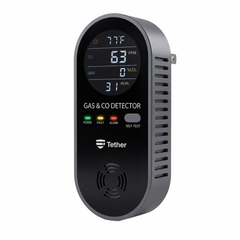
A standard alarm gives you a light and a scream that only comes for a big spike. What I keep now — it’s called Tether — reads the actual number, from zero, all the time — so a low, steady level shows up as a number climbing, early, around 10. Out in the open, instead of hiding under the threshold for weeks, looking like old age.
It tells a real 0 from a 35 the body can’t feel the difference between. It reads carbon monoxide, natural gas, and propane. It plugs into the wall in thirty seconds.
And it does not replace anything. Keep the alarm you have. This goes right beside it. You’re not taking the old one down — you’re adding the one thing that can tell age from air.