A Woman Asked Me Why Her Mother’s Alarm “Didn’t Go Off In Time.” I’m A Firefighter — And My Answer Wasn’t What She Expected.
“Her mom was 79, alone, grey on the kitchen floor. The little green light in the hallway glowed the whole time.”

The Call I Couldn’t Shake
I’ve been a firefighter for fifteen years. People ask me things once they know what I do — at the barbecue, in the grocery line. Most of it I answer in a sentence. This one I couldn’t shake for weeks.
Because the thing most people get wrong about these alarms is the exact thing I’d never said out loud to the people I love.
She caught me after a talk, waited until the room cleared. Her mother is 79. Lives alone, two hours away. A few weeks back she’d called Sunday morning like always. No answer. Called again. Nothing.
So she got in the car.
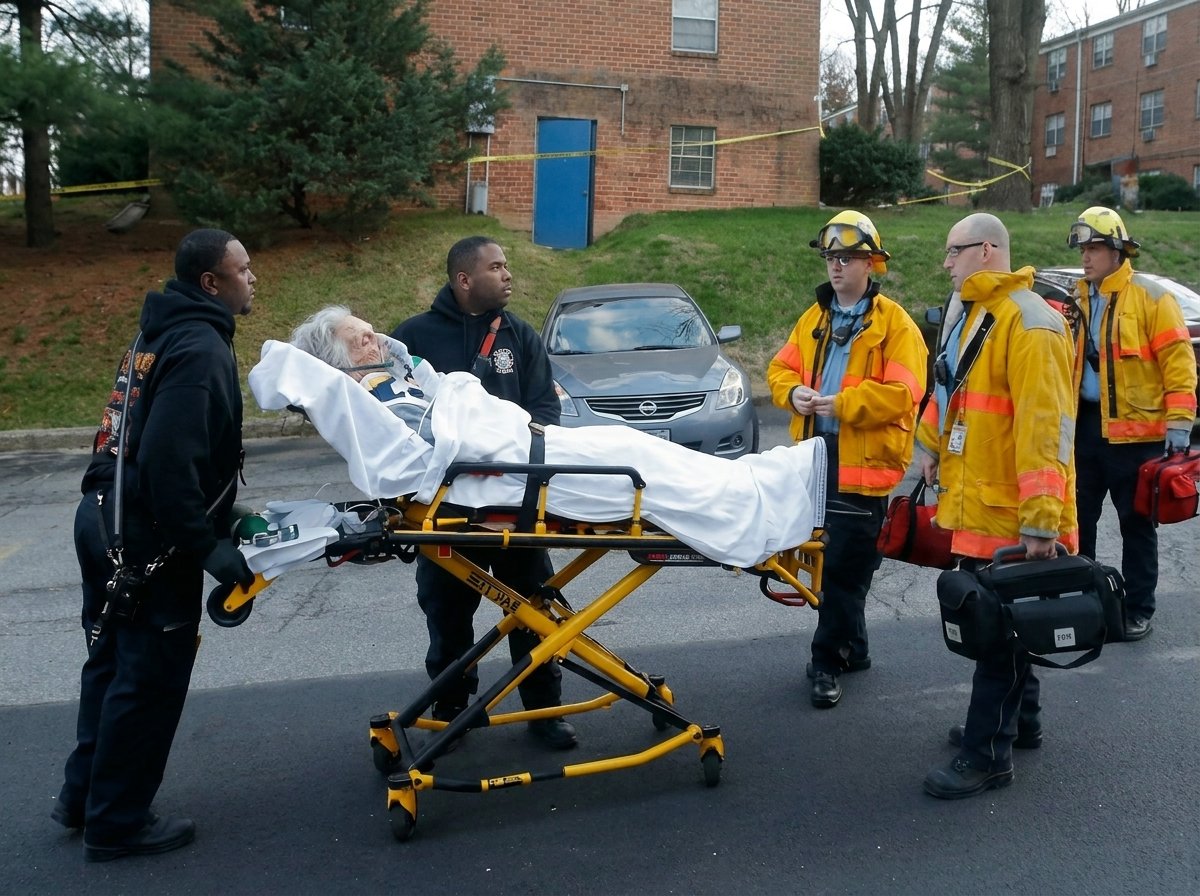
She told me she drove the whole way picturing the worst. When she let herself in, her mother was on the kitchen floor. Awake, but grey. Confused. Saying she’d just felt “so tired she had to sit down.”
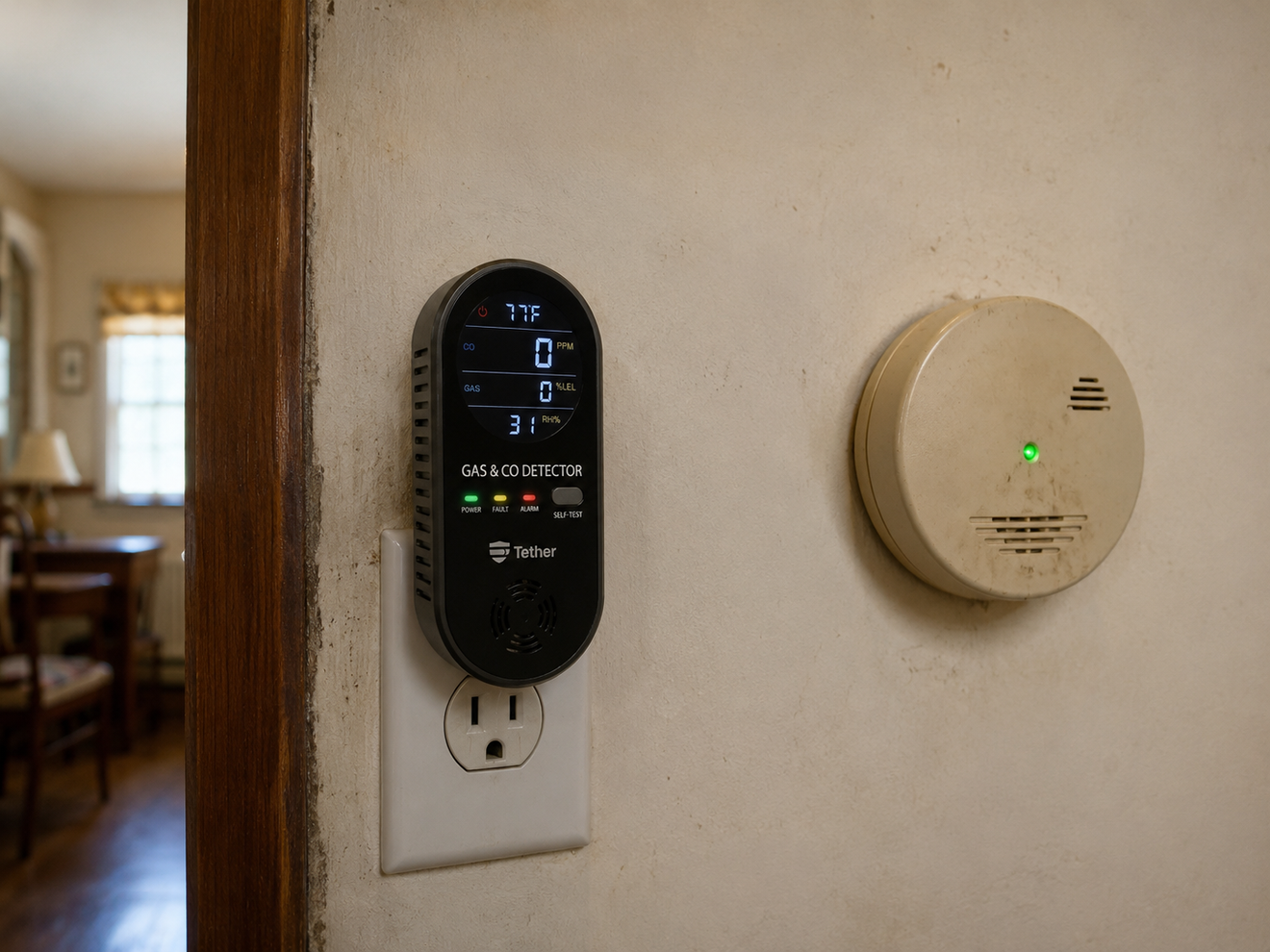
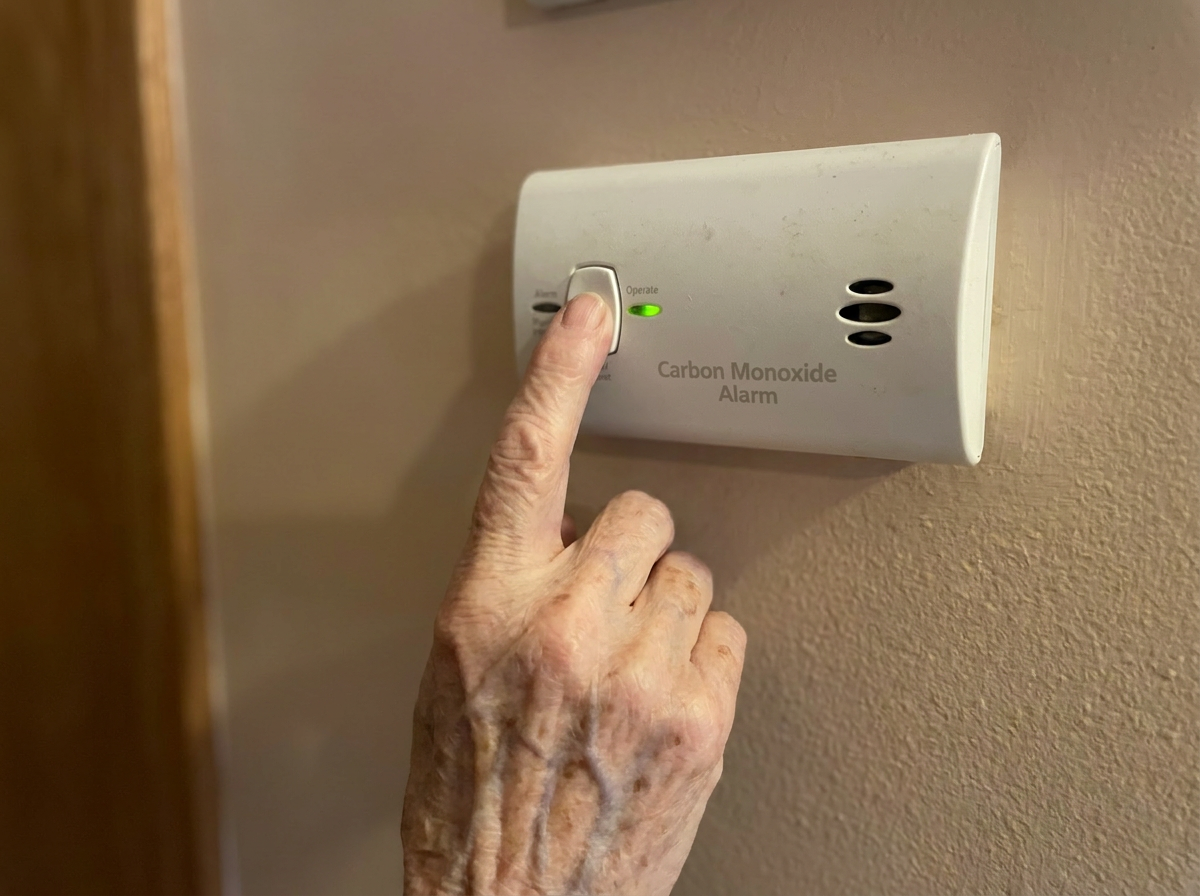
And the green light on the carbon monoxide alarm in the hallway was glowing the whole time. Steady. Like everything was fine.
“It never made a sound,” the daughter told me. “Not one beep. So I figured it had to be something else. A stroke, her heart, something.”
I keep my face still when people tell me these things. But I already knew what my meter would have read in that hallway.
At 30 Parts Per Million She’s Already Sick. The Alarm Says Nothing.
I carry a meter — the kind with a live number on the screen, the kind we read on a call. I pulled it out right there and walked her through what those wall alarms actually do.
“At 30 parts per million, your mom’s already getting headaches. Tired. Maybe sick to her stomach. The alarm on her wall? Silent.”
“At 50 — still nothing. It’s not even allowed to bother you yet.”
“It only has to start sounding around 70. And even then, the standard lets it take up to four hours.”
She just stared at me. “Four hours? Then what is it even for? Why didn’t it go off?”
There it is. The question I get every time. Why didn’t it go off?
It Was Working. That Was The Problem.
“It probably was working,” I told her. “It did exactly what it’s built to do. It’s built to catch a big, sudden spike — not to watch the air for your mother minute to minute. Working perfectly and protecting your mother turned out to be two different things.”
She teared up. “I bought her that one. I checked the reviews. I put it in myself so I’d know she had a good one.”
And there it is — the thing I watch flatten people. You did everything right. You bought the alarm, you mounted it, you trusted the green light, because that’s what it’s for. None of that was carelessness.
You were just never told that “working” and “safe” aren’t the same word.
I hadn’t told my own mother either.
I Finally Read The Standard These Alarms Are Built To
That conversation sent me reading. Fifteen years on the job and I’d never actually read the standard these things are built to. So I did.
It’s true, and it’s not a conspiracy. They’re built to ignore low, steady levels on purpose, so they don’t go off every time you sear a steak. The threshold is set around what harms a healthy adult. And the whole design quietly assumes that adult will hear the horn and get out fast.
The more I read, the more it sat wrong with me.
Because the people I worry about aren’t healthy thirty-year-olds who’ll sprint for a door. They’re our parents. Slower to wake. Harder of hearing. Sleeping deeper than they used to. An alarm that waits, then counts on a fast escape, was never built for the person it’s hanging next to.
Nobody Who Measures This For A Living Trusts A Light
I asked a buddy who does gas work — services furnaces all winter, carries a meter every day. He didn’t hesitate.
“The cheap ones are silent until it’s already bad. I won’t put just one of those in my own parents’ place. I want something that reads the actual level.”
Then I asked an ER nurse I hand patients off to. Same answer, from a different corner of the job. The people who actually measure — firefighters, gas techs, nurses — none of them trust a green light. They trust a number.
That’s the whole tell. The light tells you the device has power. Only a number tells you about the air.
What I Trust Reads The Actual Number — From Zero
So here’s the difference, and it’s the whole thing.
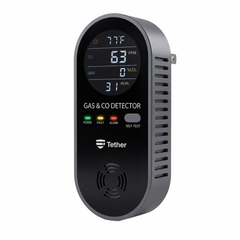
A standard alarm gives you a light and a maybe-in-four-hours scream. What I keep now — it’s called Tether — reads the actual number, from zero, all the time. It doesn’t wait for 70. It speaks up early, around 10, while a level’s still climbing and there’s still time to open a door, get outside, make a call.
It reads carbon monoxide, natural gas, and propane — the things a single old alarm can’t see at all. It plugs into the wall. Thirty seconds. Nothing for an older parent to install, learn, or remember to do.
And it is not a replacement. I’ll say it twice, because it matters: keep the alarm you have. This goes next to it. You’re not taking anything off the wall. You’re adding the one thing the wall was missing. The number.